
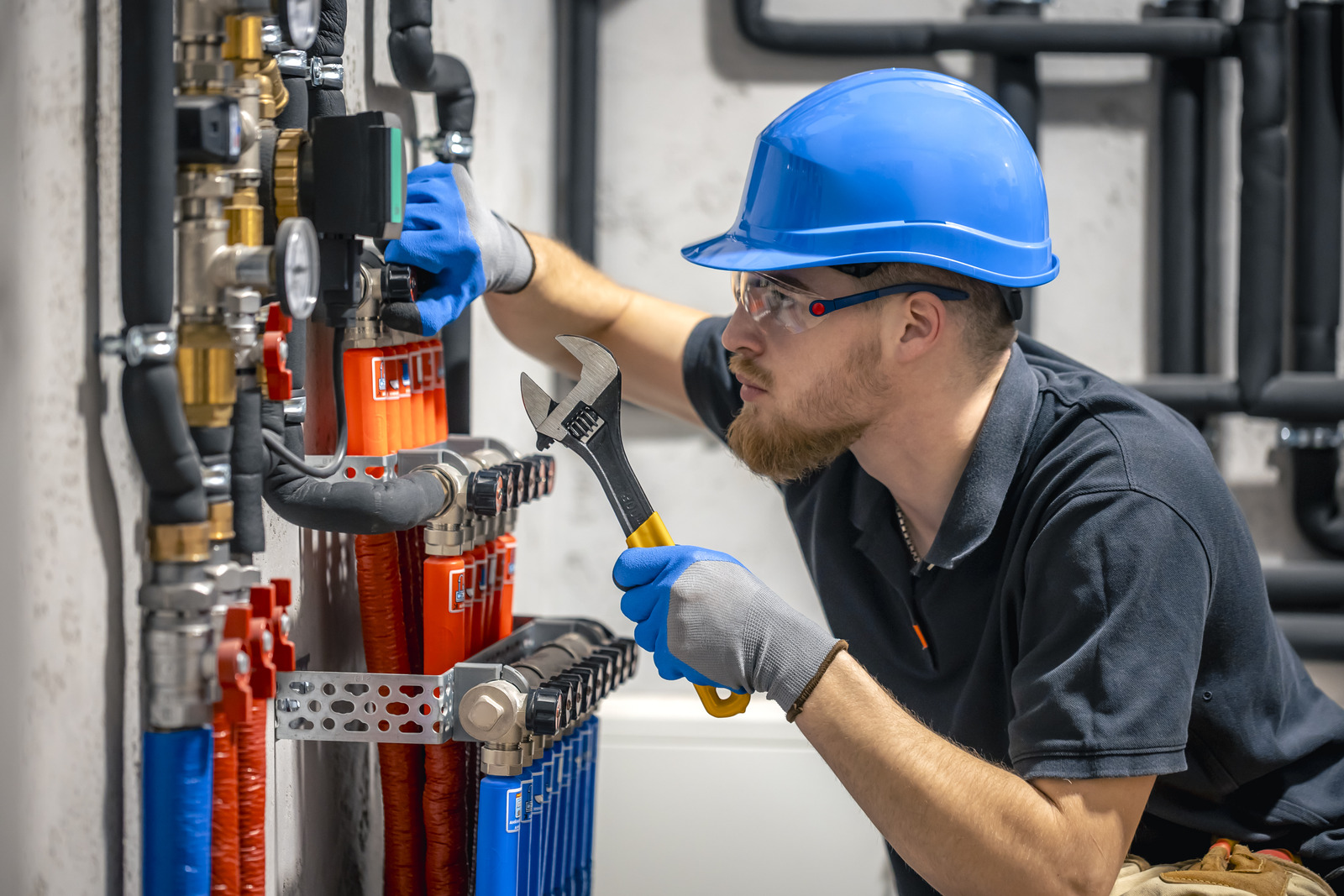
A furnace is one of the most important systems in your home, especially during the colder months. Like any other piece of equipment, regular maintenance and care can significantly extend its lifespan and ensure it operates efficiently for years to come. Here’s a guide to help you get the most out of your furnace, saving money on repairs and replacements while keeping your home comfortable.
1. Schedule Regular Professional Maintenance
One of the most effective ways to extend your furnace’s lifespan is by scheduling annual maintenance with a licensed professional. A technician will thoroughly inspect, clean, and tune up your furnace, addressing any minor issues before they become major problems. Regular maintenance ensures that your furnace runs efficiently and reduces the risk of unexpected breakdowns.
Tip: Aim to schedule maintenance before the winter season starts to avoid issues when you need your furnace the most.
2. Change the Air Filter Regularly
A clogged or dirty air filter forces your furnace to work harder than necessary, reducing its efficiency and causing unnecessary wear and tear on internal components. Changing the air filter every 1-3 months, especially during heavy usage periods, can improve air quality, help the system run smoothly, and reduce the risk of overheating.
Tip: If you have pets or live in a dusty area, consider checking the filter more frequently.
3. Install a Programmable Thermostat
A programmable thermostat allows you to control the temperature of your home more efficiently, reducing the workload on your furnace. By setting lower temperatures when you’re not home or asleep, your furnace won’t run as often, saving energy and extending its operational life.
Tip: Smart thermostats take this a step further by learning your heating habits and adjusting automatically, maximizing both comfort and efficiency.
4. Seal Air Leaks and Insulate
Your furnace will have to work harder if your home has drafts or poor insulation, as heat will escape through windows, doors, and poorly insulated walls. Sealing leaks and ensuring your home is well-insulated helps your furnace maintain a consistent temperature without overworking.
Tip: Consider adding weatherstripping to doors and windows, and inspect areas like your attic and basement for heat loss.
5. Keep Vents and Ducts Clean
Dirty or blocked vents and ducts can restrict airflow, causing your furnace to strain to heat your home. Regularly clean the air vents and ensure that furniture, curtains, or other obstructions aren’t blocking them. Additionally, consider having your ducts professionally cleaned every few years to improve airflow and reduce the load on your furnace.
Tip: Use a vacuum cleaner with a brush attachment to remove dust and debris from your vents at least once a year.
6. Check and Maintain the Blower Motor
The blower motor plays a crucial role in circulating air through your furnace and home. Over time, dust and grime can build up around the motor, causing it to malfunction. Keeping the blower clean and lubricated can help it run smoothly and extend the life of your furnace.
Tip: If your furnace starts making unusual noises, it may be a sign that the blower motor needs attention.
7. Maintain the Area Around Your Furnace
Keep the area around your furnace clear of dust, debris, and stored items to ensure proper ventilation and prevent potential hazards. A clutter-free environment helps the furnace work efficiently and minimizes the risk of fire or damage to the unit.
Tip: Ensure there’s at least three feet of clearance around the furnace at all times.
8. Use the “Auto” Setting on Your Thermostat
Many thermostats have “auto” and “on” settings for the furnace fan. The “on” setting runs the fan continuously, which increases wear and tear on the system. By using the “auto” setting, the fan only runs when the furnace is actively heating, helping to preserve its longevity.
Tip: If you prefer continuous airflow, consider installing a high-efficiency furnace that’s designed for long fan operation without compromising lifespan.
9. Replace the Furnace When Necessary
Even with regular maintenance, furnaces don’t last forever. If your furnace is over 15-20 years old, it may be time to consider a replacement. Newer models are much more energy-efficient, and investing in a modern furnace can save you money on utility bills while improving overall performance.
Tip: If your furnace needs frequent repairs, replacing it may be a more cost-effective option in the long run.
Final Thoughts
Taking the time to care for your furnace will not only extend its lifespan but also keep your home comfortable and safe. Regular maintenance, timely repairs, and smart energy habits all contribute to ensuring your furnace runs efficiently for years to come. By following these tips, you’ll maximize the performance of your furnace and avoid costly repairs or premature replacements.
If you need assistance with furnace maintenance, repairs, or installation, don’t hesitate to contact Deus Plumbing & Heating. Our team of professionals is here to help you keep your heating system in top shape!