
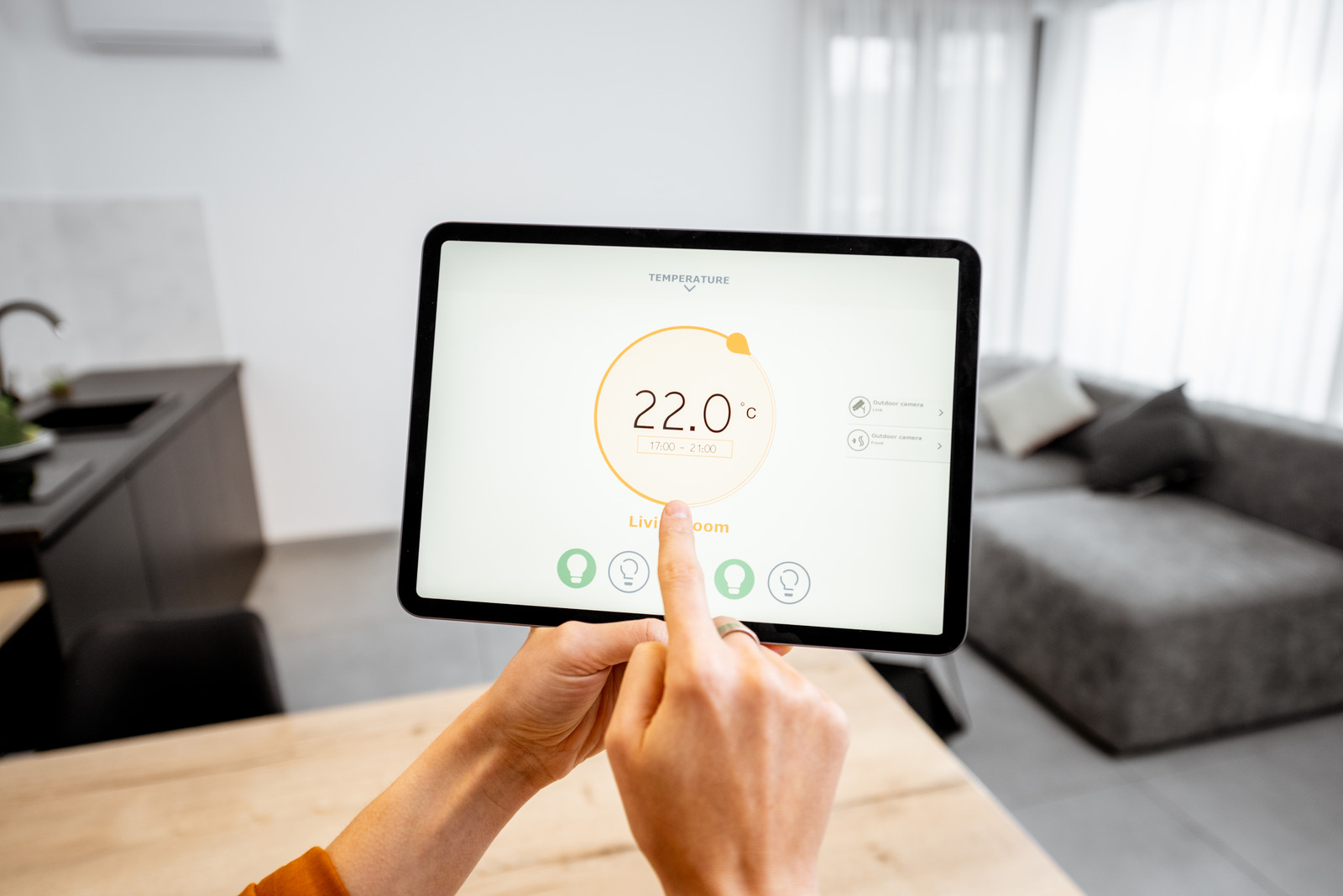
In the landscape of modern home technology, the rise of smart thermostats marks a significant shift towards greater efficiency and convenience. As homeowners increasingly seek ways to enhance their living environments while reducing energy consumption, smart thermostats have emerged as a groundbreaking solution. This shift reflects broader trends in home automation and environmental consciousness, illustrating how technology is reshaping our approach to managing indoor climates.
Smart thermostats have captured attention for their ability to significantly improve energy efficiency. Unlike traditional thermostats that require manual adjustments or operate on a fixed schedule, smart thermostats leverage advanced algorithms and sensors to adapt to the occupants’ habits and the environment. They learn from user behavior over time, optimizing heating and cooling schedules to ensure that energy is used only when necessary. This capability not only helps in reducing energy bills but also contributes to a more sustainable lifestyle by minimizing unnecessary energy consumption.
Another key factor driving the popularity of smart thermostats is the convenience they offer. Through integration with smartphones and other smart devices, users can control their home’s climate remotely. This feature is particularly beneficial for those with busy lifestyles or irregular schedules. With just a few taps on a mobile app, homeowners can adjust their thermostat settings from virtually anywhere, ensuring that their home is at the perfect temperature upon arrival. This level of control adds a layer of comfort and flexibility that traditional thermostats simply cannot match.
The rise of smart thermostats is also indicative of a broader movement towards smart home technology. As more devices become interconnected, the potential for creating a fully integrated home environment grows. Smart thermostats often work in tandem with other smart home systems, such as lighting and security systems, to create a cohesive and responsive living space. This interconnectedness enhances not only convenience but also overall energy management, as various systems work together to optimize home performance.
Moreover, smart thermostats are increasingly recognized for their role in enhancing indoor air quality. Many models are equipped with features that monitor and report on air quality, providing valuable insights into the home environment. This capability allows homeowners to address potential issues such as humidity imbalances or high levels of pollutants, contributing to a healthier living space. In an era where health and wellness are top priorities, this aspect of smart thermostats aligns well with contemporary concerns.
The technological advancements in smart thermostats are complemented by their ease of installation and user-friendly interfaces. Modern smart thermostats are designed to be accessible even to those who may not consider themselves tech-savvy. Many models offer intuitive setups and straightforward controls, allowing users to make the most of their features without extensive technical knowledge. This approachability has been a key factor in the widespread adoption of smart thermostats, as it lowers the barrier to entry for those interested in upgrading their home technology.
The rise of smart thermostats also reflects a growing awareness of environmental issues and a desire for more sustainable living solutions. By enabling more precise control over energy use, these devices contribute to reducing the carbon footprint of households. As consumers become more environmentally conscious, the demand for products that support greener lifestyles continues to grow. Smart thermostats align with this trend by offering practical solutions for energy conservation and environmental stewardship.
In conclusion, the ascent of smart thermostats represents a significant advancement in home technology, driven by the desire for greater efficiency, convenience, and sustainability. These devices exemplify how innovation can enhance our daily lives while addressing broader environmental concerns. As smart home technology continues to evolve, smart thermostats will likely remain at the forefront, shaping the future of home climate management and contributing to a more connected and eco-friendly world.